
Sugary drinks can easily become part of a busy routine, whether it is a drink with breakfast, a café order during a meeting or a refreshing choice on a hot afternoon. Small, realistic changes can help you cut back without making every drink decision feel difficult.
The World Health Organization notes that limiting free sugars is part of a healthy diet. Free sugars include sugars added to foods and drinks, as well as sugars naturally found in honey, syrups, fruit juices and fruit juice concentrates. This means fruit juice may still contain a significant amount of free sugar even when no sugar has been added.
Make plain water your usual choice
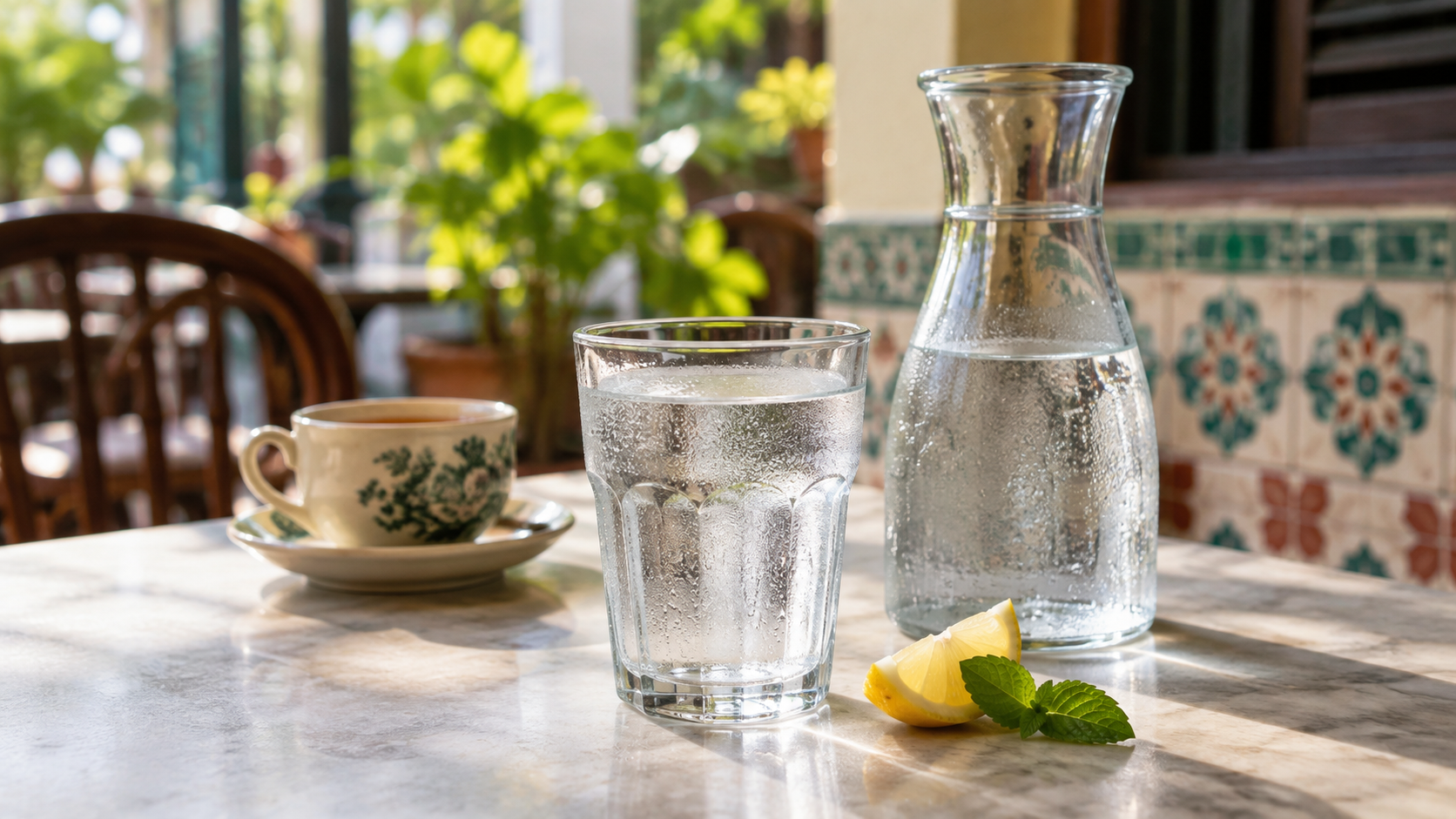
Keeping water nearby makes the easier choice easier to make. Bring a refillable bottle when commuting, place a bottle on your desk, or keep chilled water in the fridge at home. If you would like more flavour, try adding slices of lemon, lime, cucumber or a few mint leaves.
At meals, consider ordering plain water first. You can still enjoy other drinks occasionally, but making water your default can reduce how often sweetened drinks become an automatic habit.
Order drinks with less or no added sugar
When visiting a kopi shop, café or food court, ask politely for your drink without added sugar, or with less sugar if that suits your taste. This can apply to tea, coffee, milk-based drinks and blended beverages. If a drink is normally served with syrup, condensed milk or sweet toppings, ask whether these can be left out or served separately.
- Choose plain water, sparkling water or unsweetened tea more often.
- Ask for coffee or tea without added sugar and add milk only if you prefer it.
- Choose smaller portions when you want a sweet drink.
- Share a larger drink when appropriate, rather than ordering one each.
Be mindful with juice and “natural” sweeteners
Fruit juice may sound like a lighter option, but it can contain free sugars from the fruit itself, including when it is freshly squeezed. Consider whole fruit when you want a fruity snack, and treat juice as an occasional drink rather than your main source of hydration.
Honey, syrups and similar ingredients are also sources of free sugars. A drink described as natural, homemade or freshly prepared may still be sweetened, so it is reasonable to ask what has been added.
Check labels and workplace routines
For packaged drinks, look at the ingredients list. Words such as sugar, syrup, honey and fruit juice concentrate can indicate sources of free sugars. Comparing a few familiar options can help you find choices that fit your routine.
At work, try setting up simple alternatives: keep water at your workstation, offer unsweetened drinks during meetings, or take a short water break instead of automatically visiting the vending machine. These changes can be practical without taking away the enjoyment of shared breaks.
Start with one change
You do not need to change everything at once. Choose one regular sugary drink to swap for water or an unsweetened option this week, then build from there. For more information on healthy diets, see the WHO Healthy diet guidance.
For more everyday health information, visit ISAW Medical.
This article is for general education and does not replace personalised advice from a qualified healthcare professional.